

Whare Kai: A Hand Up, Not a Handout
By Anne Manchester
More Than Just Food
During Covid, Whakatāne’s Have a Heart Charitable Trust was giving food parcels away to whānau members in need. But after Covid, funding from the Ministry of Social Development came to an end. This gave an opportunity for a new service model to develop, one more about sustaining people’s dignity than based on charity.
Through its connections with the New Zealand Food Network (NZFN), the Have a Heart Food Hub (Whare Kai) now receives free food each week, as do 64 other food hubs across the motu. NZFN gathers rescued food, donations from farmers, supermarkets and food production companies, ensuring that surplus food is put to good use rather than wasted.
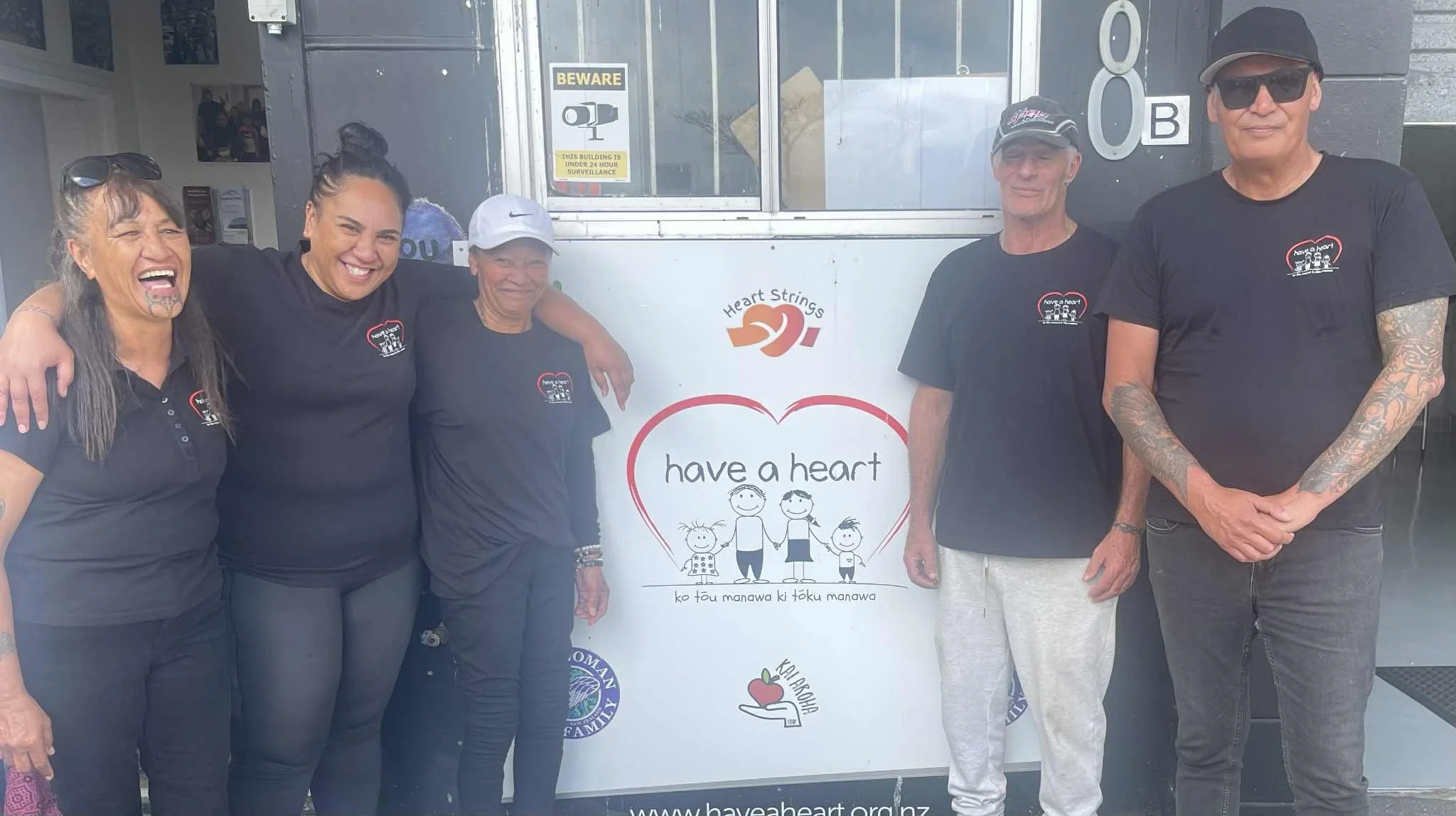
Volunteers outside Whare Kai
Building a Community-Centred Food Network
The trust also looked at the food people used daily and calculated how much wastage there had been in the old food parcel model. The lack of food choice had also been a negative for many people. With the food from NZFN and the ability to buy food below supermarket prices, the trust was able to establish a Whare Kai where people could buy the food they wanted, and also choose several free items, depending on how much they spent.
One of the most popular items is the food pack. This includes a variety of protein and vegetables, so people have all they need to cook a nutritious meal.
Whare Kai also provides free food to 18 Pātaka Kai – food pantries. This is based on a traditional Māori food-sharing concept, with Pātaka Kai strategically located throughout the Eastern Bay of Plenty and as far away as Murupara. A remarkable food supply and distribution network makes it all happen.
“During Covid, no one would come out of their houses to distribute our food parcels. But members of Black Power stepped up to deliver the food to those most in need.
This has led to a remarkable development. Ninety per cent of the trust’s volunteers, working both in the community store and food hub in Whakatāne, come from Black Power families.
Every Thursday, Pātaka Kai facilitators collect food from the Food Hub and distribute it to the community pantries. This has become a significant food distribution network. A culture of generosity and sharing within the community is also fostered.”
Empowerment, Growth, and Future Vision
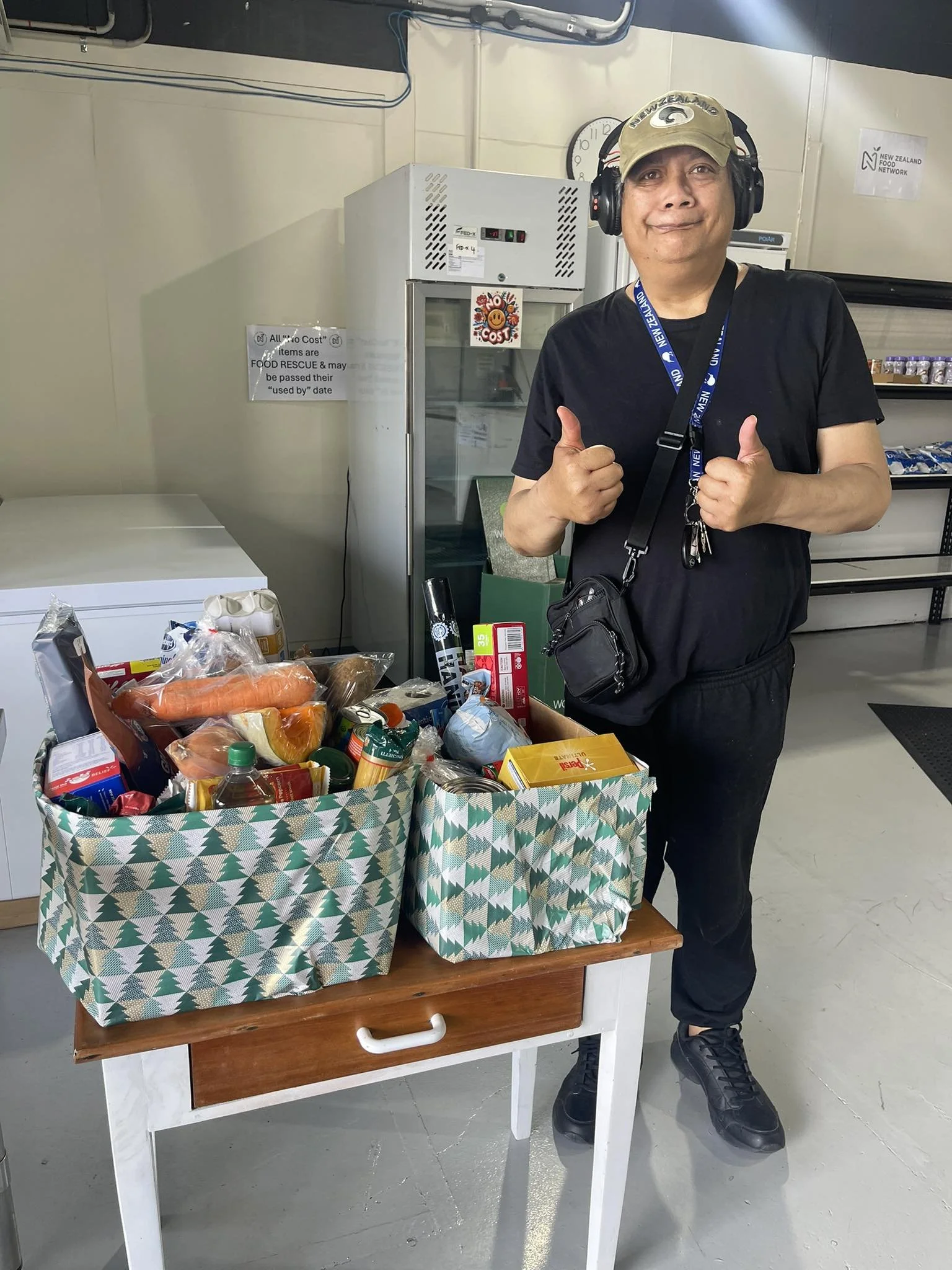
A regular Whare Kai customer shows his approval
Some of these volunteers have been working with Have a Heart for three years now. They have become organisers and managers. “These are people who have been on benefits all their lives. The trust is now able to employ three of them half time,” Chris said.
A new initiative is due to open in Kawerau soon, thanks to space offered by a local Māori social service provider — a shop operating once a week providing food packs. A longer-term vision is to open a commercial kitchen on the site, providing low-cost, nutritious, cooked meals for a reasonable price. The trust is also considering opening a food shop in Ōpōtiki.
“When I go into the clothing shop or Food Hub in Whakatāne, there is always so much laughter,” said Chris. “The social aspect of our services is as important as the goods and food being sold. The people who have become our customers are very positive about how important these places and services are for their health and wellbeing and sense of community.”
Whare Kai has always been more than just food, Chris said. It’s about empowering people, restoring dignity and building a stronger, more resilient community.
Resources
Have a Heart Food Hub Website: https://haveaheart.org.nz/food-hub/
Article from The Beacon on Whare Kai. Forsyth, K. (2026). Food Hub expansion brings choice and value. https://easternbayapp.co.nz/news/articles/69c4b280b2e7ca0001457def